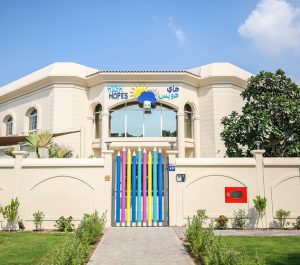

With many school and nursery options available, navigating the education system can feel overwhelming for any family searching for inclusive education and the right school support. When you add the unique needs of a child of determination, the process can become even more complex.
In recognition of 2026 as the Year of the Family in the UAE, and with International Day of Education on 24 January, we wanted to offer guidance, clarity, and reassurance to families navigating this journey, because no parent should feel like they have to do it alone.
Early Intervention and School Readiness in Dubai
Early intervention is one of the most powerful ways to prepare children for success at school. Building foundational skills early, such as communication, self-help routines, and the ability to follow simple instructions, creates confidence and supports smoother transitions into classroom expectations.
When children practise school-readiness skills ahead of time, they learn how to:
- follow daily routines
- understand natural instructions (“put in”, “clean up”, “throw it”, “get it”, “stack it”)
- respond to directions from adults other than their parents
- engage in simple tasks with growing independence
These abilities might seem small at first, but they set the stage for learning, participation, and long-term success once a child enters a classroom. This aligns with KHDA (Knowledge and Human Development Authority) guidance, which highlights that “early intervention… utilises formal and informal methods of assessment to accurately identify needs and inform evidence-based interventions that accelerate learning, progress, and development.”
Inclusive Education in Dubai: What Does Inclusion Look Like?
Inclusion can look different for every child. At its core, inclusion means creating an educational environment that meets a child’s individual needs while ensuring they are meaningfully included within the school community.
Students may receive additional support throughout the day from classroom teachers, inclusion staff, or support teachers. This can also include adaptations to learning inputs or curriculum delivery so that information is presented in a way that best supports the child’s learning style. For example, some students benefit from visual supports they can see and interact with, rather than relying solely on verbal instructions.
While inclusion will vary based on each child’s needs, the most important factor is collaboration – ensuring the inclusion team tailors strategies and lessons to support the child effectively.
Practical Strategies That Support Inclusive Education
In line with early intervention, it is helpful to practise strategies that closely reflect what children will experience in a school setting. Familiarity builds confidence and supports smoother transitions between therapy and school environments.
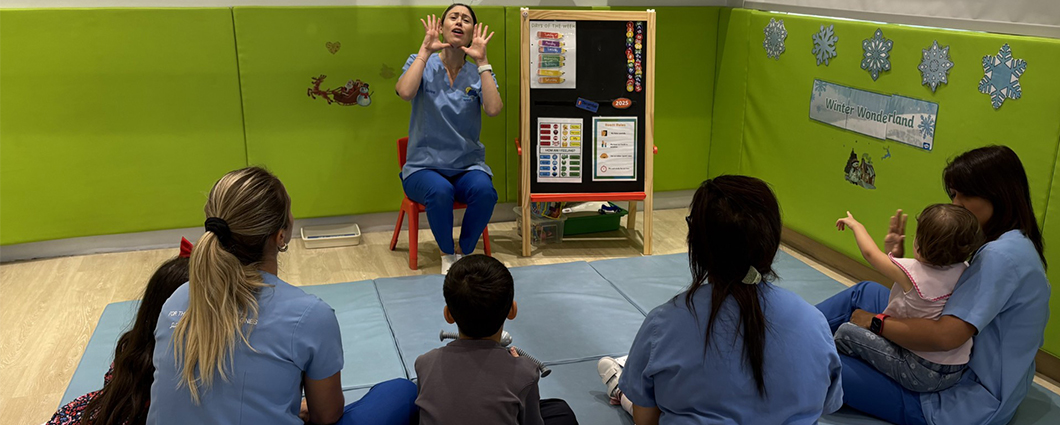
Participating in small-group activities such as group sessions, camps, or structured play opportunities provides valuable practice with group instruction, turn-taking, and learning alongside peers in a supportive setting outside of school.
Using visual supports, such as visual schedules, classroom rules, and timers, can help children better understand expectations and manage transitions throughout the day. Introducing these tools at home and carrying them over into school can greatly support consistency.
Finally, once a child is in school, ensuring that their support assistant is well prepared and well supported is equally important. At High Hopes, we like to be actively involved in IEP development, training LSAs, participating in teacher–parent meetings, and recommending regular school visits to ensure consistency and collaboration across all settings. We strongly encourage regular school visits with teachers, inclusion teams, and support staff. Working together as a team helps maintain consistency across environments.
Understanding Inclusive Education Policies in Dubai
In Dubai, the KHDA has developed a framework to support children of determination within the education system. The Dubai Inclusive Education Policy Framework outlines expectations and guiding principles for schools to promote equitable access to learning and appropriate support.
Taking time to review this framework can help families better understand how inclusive education is approached across schools in Dubai. Many inclusive schools have dedicated teams, such as Heads of Inclusion, who work to identify students’ needs, implement support strategies, monitor progress, and collaborate with external professionals where appropriate.
As Terrie Spencer, Head of Inclusion at Dubai Heights Academy, shares:
“Inclusion means ensuring that every student, regardless of their abilities, backgrounds, or needs, has access to quality education and opportunities to thrive. It’s about creating an environment where differences are respected, and each student is supported to reach their potential.”
Inclusive Schools in Dubai: Getting Ahead of the Waitlist
Some schools with established inclusion teams may have long waitlists. Starting the admissions process early before you plan to enrol can help reduce stress and allow adequate time for assessments, parent meetings, and support planning. Being proactive gives families and schools the opportunity to prepare thoughtfully and collaboratively.
As part of the High Hopes community, families are supported every step of the way from early intervention to in school collaboration. Our therapists are always happy to guide you through the process and work alongside schools to support your child’s success.
Teamwork truly makes the dream work.